
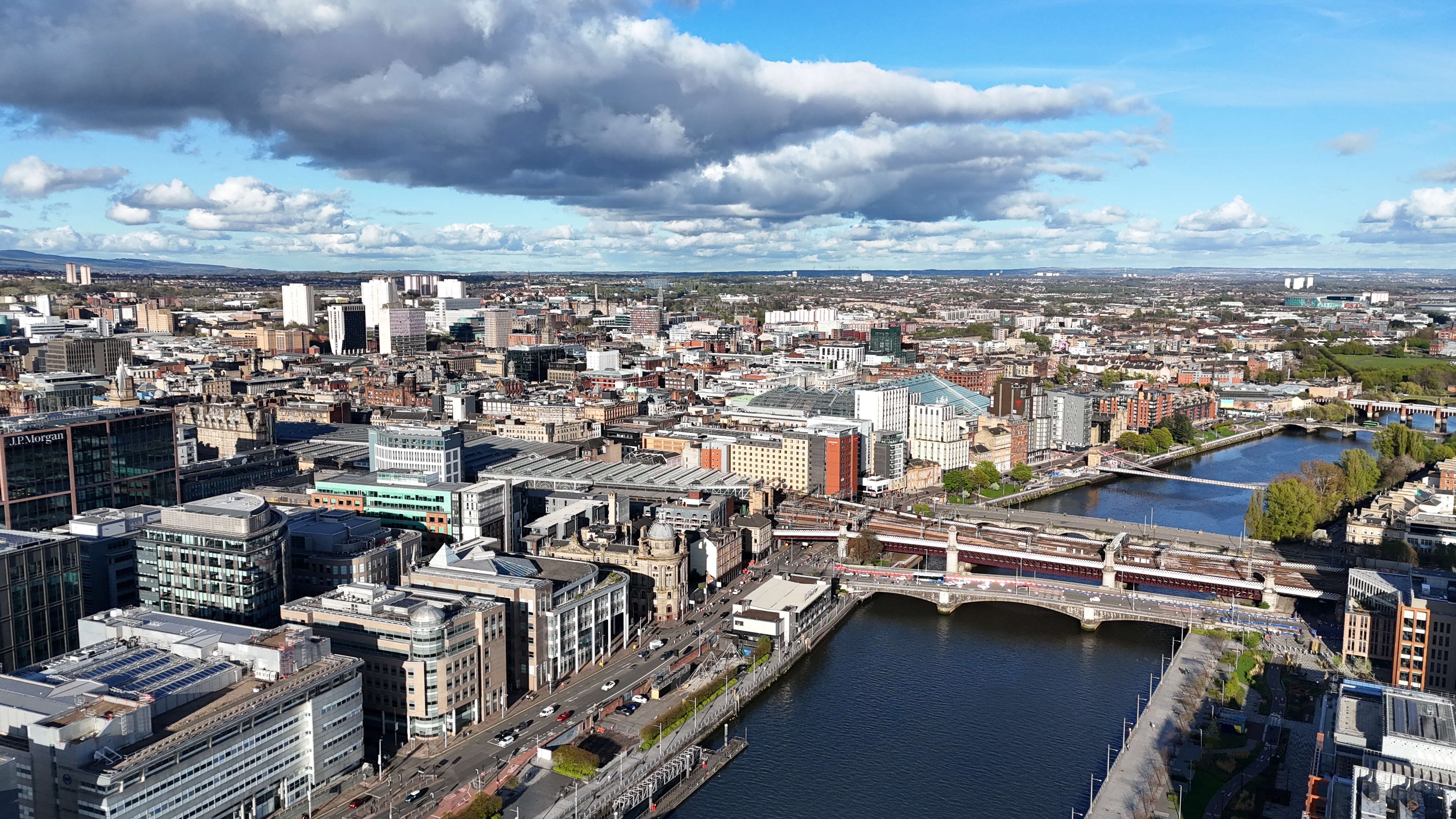
Welcome to Glasgow
Glasgow is best done by area: West End museums and cafés, the Clyde for family attractions, the East End for Cathedral and Necropolis, and the city centre for food, music, gaming and nightlife. Pick the version you want and build the trip around it.
Glasgow: museums, music, food, gaming and a city that is much easier to enjoy than people make it sound
Glasgow is one of those cities where you do not need to spend the whole day chasing landmarks. It works better when you pick an area, find something you actually want to do and then let the food, bars, museums, shops and entertainment fill in the rest.
The city centre gives you shopping, nightlife and indoor leisure. The West End gives you Kelvingrove, the university, cafés and parks. The Clyde brings in the Science Centre and Riverside Museum. The East End gives you the Cathedral, Necropolis, Barrowland and a completely different side of Glasgow again.
Kelvingrove is the obvious first museum for a reason
Kelvingrove Art Gallery and Museum is one of those attractions you can recommend without making the day expensive. Entry to the main museum is free, and the 22 galleries cover everything from art and Ancient Egypt to animals, design and Charles Rennie Mackintosh.
The building itself is half the reason to go. It sits beside Kelvingrove Park, so you can do the museum, walk the park and then carry on through the West End rather than treating it like an isolated attraction.
There are ongoing restoration works around parts of the historic building, but the museum remains open. Check current gallery information if there is something specific you are travelling to see.
The West End is where Glasgow slows down
Byres Road, Ashton Lane, the university area and Kelvingrove Park give you a much easier pace than the busiest city-centre streets. This is the part of Glasgow that works for cafés, pubs, wandering, food and a museum rather than racing between booked attractions.
If you are staying for a weekend, give the West End its own chunk of time. It is exactly the kind of area that gets ruined if you try to squeeze it into 45 minutes between two Tube-style transport journeys.
Riverside Museum is another free attraction that can take up hours
Riverside Museum sits where the Kelvin meets the Clyde and tells Glasgow's transport and engineering story through cars, trains, bikes, shipbuilding and recreated streets. Entry is free and you do not need to book for a normal visit.
The recreated street is one of the bits families tend to remember because it feels more like walking into another period than looking at vehicles in rows. The museum is also a good reminder of how much Glasgow's identity came from engineering, manufacturing and the Clyde.
Parking capacity is currently reduced, so public transport makes more sense on busy days.
Glasgow Science Centre is the big family indoor day
Glasgow Science Centre at Pacific Quay gives you three floors of interactive exhibits, science shows, a planetarium and IMAX experiences. It is one of the strongest bad-weather options in the city and easily big enough to become the main attraction for the day.
The centre is operating autumn and winter hours in late 2026, with reduced weekday openings outside school holidays. Advance booking is recommended because walk-ins can be limited when the site is busy.
One current warning matters: Glasgow Tower is closed for the rest of 2026. Do not rely on an older guide telling you the rotating tower is part of the visit at the moment.
The Cathedral and Necropolis give you the historic side without a huge journey
Glasgow Cathedral and the Necropolis sit beside one another in the historic east side of the centre. The Cathedral is one of the city's oldest and most important buildings, with the tomb of St Mungo in the crypt, while the Necropolis rises behind it with huge Victorian monuments and views back across Glasgow.
You can make a very good half-day out of this part of town without buying a stack of tickets. Walk the cathedral precinct, climb the Necropolis if mobility allows and follow some of the city-centre mural trail on the way back.
The Necropolis is hilly and has cobbled sections, so it is worth checking accessibility if somebody in your group uses a wheelchair or struggles with steep paths.
The Burrell Collection is worth leaving the centre for
The Burrell Collection sits in Pollok Country Park and is another free-entry Glasgow museum. The collection ranges from medieval stained glass and Chinese ceramics to paintings and sculpture, but the setting matters just as much as the objects.
Because it sits inside the park, the Burrell works brilliantly when you want a day that does not feel like another city-centre museum trip. The museum reopened after a major refurbishment in 2022 and now uses far more interactive and digital displays than the old version.
It also has strong accessibility provision, including Changing Places facilities, which is worth knowing if you are planning for a mixed group.
Glasgow is a serious music city
You do not need a festival weekend for music to matter here. Glasgow has a reputation for live audiences, small venues, big arenas and everything in between. The Barrowland Ballroom is one of the names people travel for on its own, while venues across the centre and West End keep the calendar busy all year.
If a gig is the reason for the trip, build around the venue rather than automatically booking the cheapest hotel miles away. The difference between walking back after a show and spending an hour crossing the city at midnight is worth paying attention to.
Arcades and gaming in Glasgow are mostly part of the nightlife and indoor-leisure scene
Glasgow has a really varied gaming scene. R-Cade, Super Bario, NQ64 and Fayre Play all give you different versions of arcade gaming, from retro-focused venues to bar-style entertainment and larger activity spaces.
Then you have adult gaming centres, bowling, casinos and social-gaming venues across the wider city. The key is checking what kind of place you are actually looking at. A retro arcade bar, an adult gaming centre and a family bowling arcade are completely different nights out.
Spin Raiders should help you separate those instead of throwing every machine with flashing lights into one category.
Bowling and indoor activities make Glasgow easy in bad weather
Hollywood Bowl at Springfield Quay, Tenpin and other leisure venues mean you can always find something indoors when the rain arrives. Add escape rooms, trampolines, VR, crazy golf and social gaming and you could build a whole weekend without depending on good weather.
That is one of Glasgow's big strengths as a destination. It does not stop working because it is wet or cold.
Food is part of the reason to go
Glasgow has a huge food scene, from old-school cafés and pubs to curry, modern Scottish cooking, street food and late-night takeaways. The city centre, West End, Southside and Finnieston all give you different kinds of evening.
Finnieston is especially useful if you are around the Clyde, Kelvingrove or the arena side of town. The West End works if you want cafés and pubs around a slower day. The centre gives you the widest choice if the group cannot agree on anything.
Choose somewhere to eat that fits the neighbourhood and the rest of your day.
The city centre is good for shopping but do not let it swallow the day
Buchanan Street, Argyle Street, Sauchiehall Street and the big shopping centres make Glasgow a strong retail city, but you can lose hours in shops you have back home if you are not careful.
If shopping is the reason for the trip, great. If it is not, use the centre as the route between food, museums, activities and the river rather than letting the whole day disappear inside chains.
Glasgow is easier to move around than its size suggests
The Subway is a simple loop serving the city centre and West End, while trains and buses cover the wider city. For visitors, the main thing is working out which area you are using rather than constantly crossing from east to west.
Central Station and Queen Street put you right into the heart of things if you arrive by train. From there, a lot of the centre is walkable. The West End, Clyde and Southside are where public transport becomes more useful.
How long do you need in Glasgow?
A few hours: city centre plus one proper stop — Kelvingrove, Cathedral/Necropolis or Riverside.
A full day: give one part of the city enough time. West End plus Kelvingrove, or Clyde attractions plus food and an evening activity.
A weekend: now Glasgow works properly. One day for museums and neighbourhoods, one for the Science Centre/Clyde or Cathedral side, then use the nightlife and food rather than heading back early.
Three or four days: you can bring in the Burrell, Southside, live music, more museums and slower neighbourhood time without making every day feel like a race.
Use Glasgow by neighbourhood
Choose your version of Glasgow: West End culture, Clyde family attractions, city-centre shopping and nightlife, East End history or a gaming-heavy evening.
You search Glasgow, we show you Glasgow. Then the museum, attraction, food, bowling, cinema, gaming and hotel pages should keep you inside the same trip instead of making you start again on another website.

Fuel for the journey
A little planning leaves more in the day-out budget. Compare reported pump prices by town or postcode district.
Fuel price data from FuelCosts.co.uk and UK Government Fuel Finder. Contains public sector information licensed under the Open Government Licence v3.0.
